

KAPN FIELD GUIDE / AROMA & FLAVOUR
Linalool
Linalool is an acyclic monoterpene alcohol with two naturally occurring enantiomers. The enantiomer proportions can change the fragrance, so “linalool” alone does not specify one exact scent.
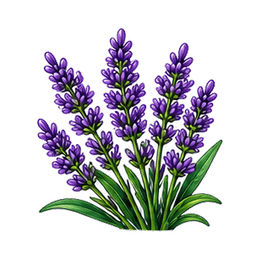
Where it occurs naturally
Linalool occurs in lavender, sweet and purple basil, bergamot, and eucalyptus. The two enantiomers are associated with different fragrance character. Sources: A Review of the Potential Use of Pinene and Linalool as Terpene-Based Medicines for Brain Health (2021)
Aroma & flavour
One linalool enantiomer is described as floral, fresh and woody; the other has subtler, sweet, floral and woody notes. Sources: A Review of the Potential Use of Pinene and Linalool as Terpene-Based Medicines for Brain Health (2021)
What has research actually studied?
A 2019 laboratory study applied isolated linalool (100 μM) to glutamate-stressed HT-22 neuronal cells and tested organotypic hippocampal slices exposed to NMDA. It reported reduced cell death and mitochondrial oxidative-stress measures in the cell model, and protection against NMDA-induced toxicity in the ex-vivo slice model. Sources: Linalool attenuates oxidative stress and mitochondrial dysfunction mediated by glutamate and NMDA toxicity (2019)
What the evidence does not show
The results are from a cell line and an ex-vivo tissue model, not a clinical trial; they do not establish a treatment effect, anxiety benefit, or effect from cannabis. In a separate CB1/CB2 cell assay, isolated linalool did not alter the tested receptor endpoints, which likewise does not resolve other targets.
What does its presence in cannabis mean?
Linalool content does not specify the enantiomer ratio, sensory experience, or likely response. Direct human research linking linalool content to cannabis-product effects is lacking.